

Introduction
In today’s ever-changing world, many parents are turning to alternative education models that emphasize not only academic rigor but also character formation and a timeless approach to learning. One such method is the classical conversations homeschool curriculum. This approach blends traditional teaching methods with modern support structures, empowering parents to educate their children in a way that is both rigorous and nurturing. In this guide, we will explore the key principles, benefits, and practical applications of the classical conversations homeschool curriculum, helping you decide if it is the right fit for your family.
Roots of Classical Conversations Homeschool Curriculum
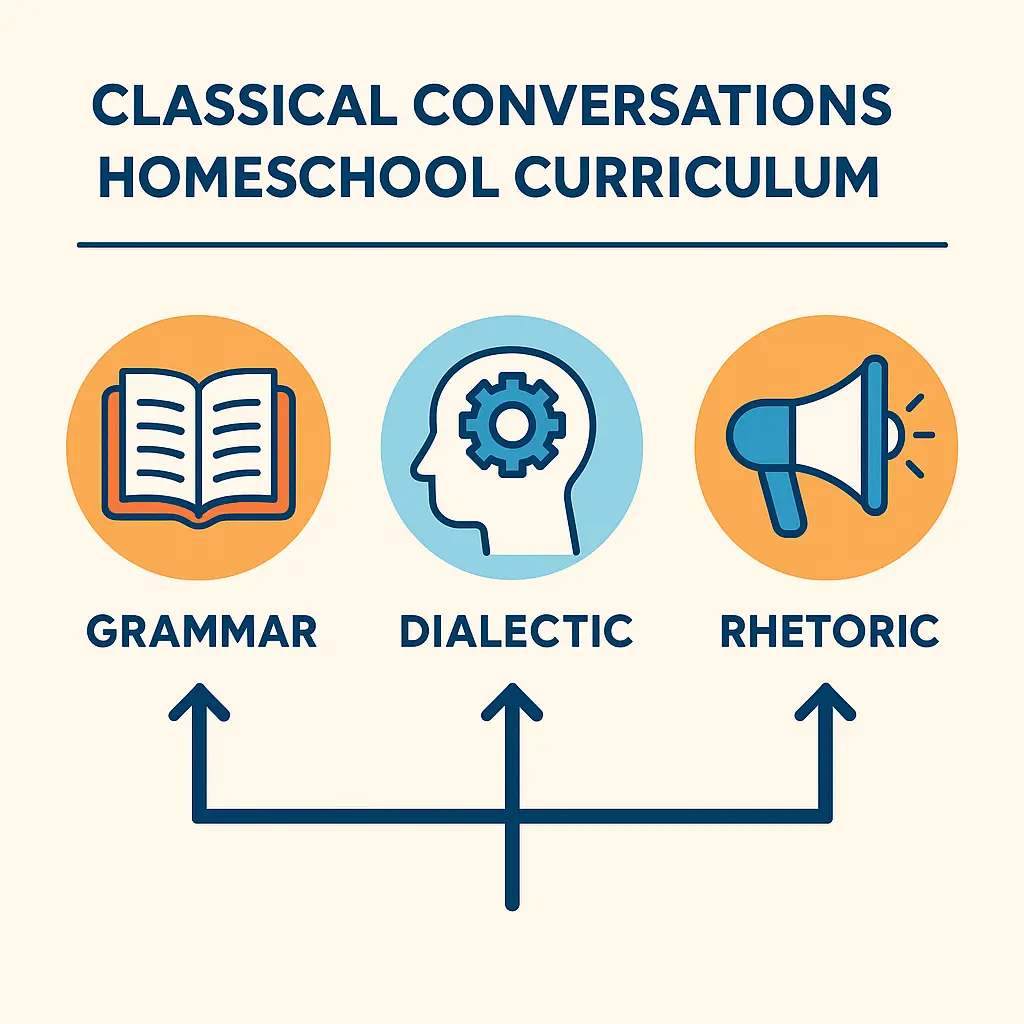
At the heart of classical education lies the belief that learning should be a process of discovering truth and beauty. The curriculum is built around the Trivium – a three-part framework consisting of grammar, dialectic (logic), and rhetoric. Each stage aligns with a child’s cognitive development: the grammar stage emphasizes the absorption of facts, the dialectic stage encourages critical analysis, and the rhetoric stage focuses on effective communication and persuasion.
This traditional approach has been refined over centuries and is now experiencing a renaissance in homeschooling communities. Many families appreciate that the classical conversations homeschool curriculum not only teaches subjects but also equips students with the skills to learn how to learn, an essential asset in today’s information-rich world.
Classical Conversations Homeschool Curriculum Structure
The classical conversations homeschool curriculum is organized into several key components. It starts with a solid foundation in grammar where children focus on memorization and understanding of basic facts. As children progress, they move into the dialectic stage where they learn to question, compare ideas, and analyze information. Finally, in the rhetoric stage, students learn to express their thoughts clearly and persuasively.
This structured progression ensures that students not only gain a broad knowledge base but also develop the skills necessary for critical thinking and effective communication. Parents who choose this curriculum often find that it fosters academic excellence, instills a love for learning, and builds a strong moral character.
For more information on specific homeschooling approaches, you can read this blog post on Classical Conversations Homeschool Preschool Curriculum which outlines early childhood applications.
Key Elements and Teaching Methodologies
Several unique elements differentiate the classical conversations homeschool curriculum from conventional education methods. Some of these include:
- Integrated Learning: Subjects are not taught in isolation. For instance, when studying history, students might explore literature, art, and philosophy related to the period, reinforcing a deeper understanding of the subject.

- Emphasis on Memorization and Critical Thinking: Especially during the grammar stage, students commit to memory the foundational elements of language, history, and science. As they progress, they learn to analyze and discuss these subjects more critically in the dialectic stage.
- Rhetoric and Expression: In the final stage, the focus is on articulating thoughts, engaging in debate, and effectively defending ideas using well-honed communication skills.
- Character and Moral Development: Rooted in a Christian worldview, the curriculum encourages students to view learning as a means to understand not only the world but also their relationship with God. This facet of education is seen as critical in developing individuals of integrity and virtue.
These elements work together to create a holistic educational experience that goes beyond standardized testing and rote memorization, preparing students for real-life challenges.
Benefits of the Classical Conversations Homeschool Curriculum
The reasons parents choose the classical conversations homeschool curriculum are many. Here are some key benefits:
- Timeless Learning Skills: Students learn how to analyze information, articulate ideas, and engage with complex texts, all of which are transferable skills that last a lifetime.
- Parental Involvement and Empowerment: This curriculum positions parents as the primary educators. With abundant resources, guidance, and community support, parents gain confidence in their ability to educate their children.
- Character Formation: The curriculum is designed around a Christian worldview, aiming to nurture both the intellect and the spirit. This dual focus helps in developing well-rounded individuals who excel academically and in life.

- Flexibility and Adaptability: While the core structure remains constant, the curriculum can be tailored to fit each child’s individual needs. This is particularly valuable in a homeschooling setting where personalized education is a priority.
- Community Focus: Many families who follow the classical conversations homeschool curriculum become part of vibrant, supportive communities. For example, you can find additional tips on building a homeschool community in this Christian Homeschool Journey article.

Additionally, the curriculum naturally integrates academic learning with character education, ensuring that students are prepared for both college and life. A well-structured daily routine based on this curriculum can be explored further by visiting this guide on creating the best homeschool schedule provided by EatonAcademic.
Outcomes and Long-Term Impacts
One of the most compelling aspects of the classical conversations homeschool curriculum is its long-term impact on students. Families report that children educated under this model become critical thinkers, skilled communicators, and lifelong learners.
High school students following this method often participate in advanced projects and debates, which boost their confidence and prepare them well for college. Many alumni credit their success in higher education to the rigorous academic training and the emphasis on analytical skills that they developed during their homeschooling years.
For parents concerned about the transition from homeschool to college, exploring resources like this parental guide on the benefits of homeschooling can provide assurance and practical tips.
Practical Implementation Tips
Getting started with the classical conversations homeschool curriculum may seem daunting, but several strategies can ease the process:
- Start Small: Begin by incorporating the core elements of the curriculum gradually. Focus on the fundamentals in the grammar stage and slowly build up to dialectic and rhetoric exercises.
- Create a Structured Schedule: One of the keys to success is having a consistent daily routine. Set aside dedicated time for each subject and include breaks for reflection and discussion. EatonAcademic offers a useful read on how to homeschool in Florida that includes scheduling tips.
- Leverage Community Resources: Join local or online communities of like-minded families. Sharing experiences and resources can make the journey less isolating and more enjoyable.
- Customize Your Approach: No single curriculum works for every child. Adapt the lessons to suit your child’s learning style—whether that means incorporating more hands-on activities, discussions, or independent reading.
- Use Quality Materials: Invest in good textbooks, workbooks, and digital resources that align with the classical education model. Using well-reviewed materials can enhance the learning experience and give you peace of mind.
This approach creates a nurturing environment where children not only learn academic subjects but also develop the habits and skills needed for lifelong learning.
Real Stories: Experiences from Homeschooling Families
Many homeschooling families have experienced transformative results with the classical conversations homeschool curriculum. One father noted how transitioning from a traditional public school mindset to a classical approach reinvigorated his family’s learning ethos. He shared that the regimen not only improved his children’s academic performance but also brought the family closer together as they discussed and debated ideas around the dinner table.
Another family expressed that the emphasis on memorization and recitation in the early years laid a firm foundation for more advanced logical and rhetorical skills. Over time, these skills enabled their children to excel in debates and college entrance essays, ultimately paving the way for academic scholarships and success in higher education.
Such testimonials reinforce the notion that the classical conversations homeschool curriculum is more than just an academic tool—it’s a holistic educational philosophy that shapes character, discipline, and critical thought.
Conclusion
The classical conversations homeschool curriculum offers a rich, time-tested educational model that equips students with the skills and knowledge necessary for a lifetime of learning and personal growth. By focusing on the Trivium—grammar, dialectic, and rhetoric—this approach not only cultivates academic proficiency but also fosters a deep appreciation for moral values and Christian principles.
Whether you are just starting your homeschooling journey or looking to refine an existing curriculum, exploring the classical conversations homeschool curriculum can provide a solid foundation on which to build your child’s future success. With flexibility, community support, and a proven track record, it is an excellent choice for parents seeking to combine academic rigor with character education.
For further reading and insights, be sure to check out other great resources: explore a homeschool journey from a parent’s perspective and gain additional tips from various homeschooling guides. Embrace the journey toward a meaningful, purpose-driven education that not only prepares students for the challenges of higher education but also for a lifetime of thoughtful inquiry and impactful communication.
In the words of the great educators of the past, let us all strive to “know God and to make Him known” through learning that is both rigorous and transformative.
Happy homeschooling!


